

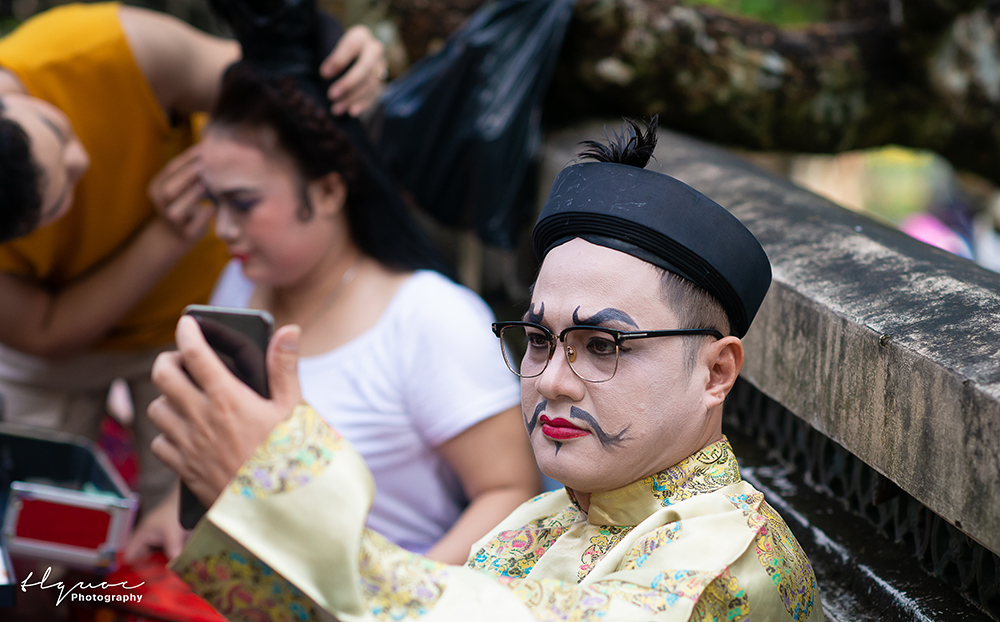
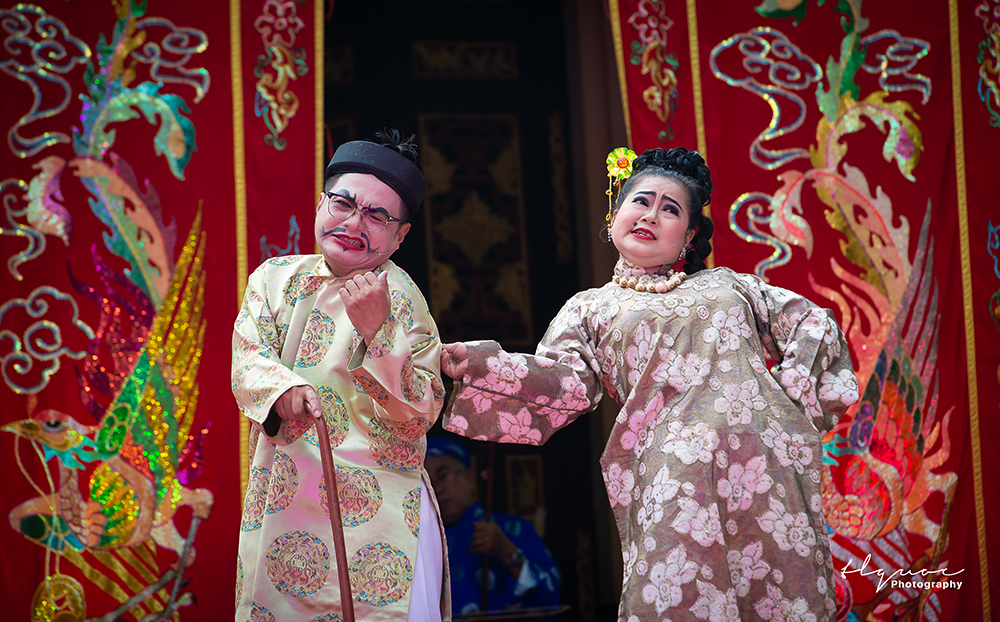
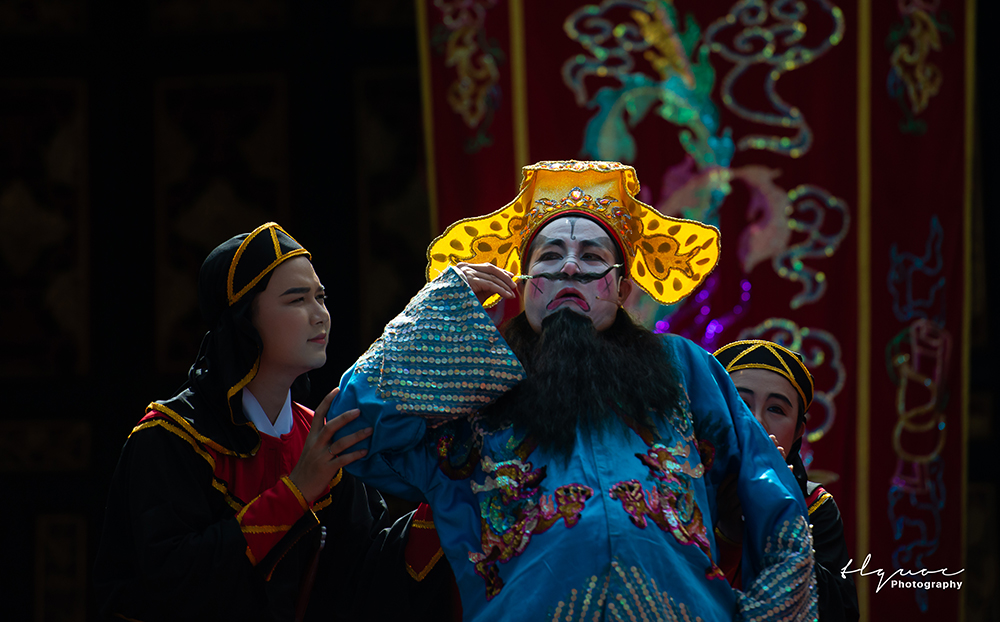
Originating from the rural landscapes of northern Vietnam, “Cheo” has deep historical roots that trace back centuries. It emerged as a form of entertainment for Vietnamese peasants, performed in village squares or the courtyards of public buildings. The themes of “Cheo” often revolve around the daily lives of the people, encompassing both the mundane and the extraordinary.

“Cheo” belongs to the genre of drama, with ancillary music including rhythmical music, evocative music, background music, and dance music. Hat cheo’s is the stage singing, it can be sung by one person or many people on chorus.

Traditionally, “Cheo” found its stage in the open air, where the energy of the performance seamlessly blended with the natural surroundings. Semi-amateur touring groups, often comprised of local peasants, would take “Cheo” to different villages, creating a communal experience that fostered a sense of unity among the people.

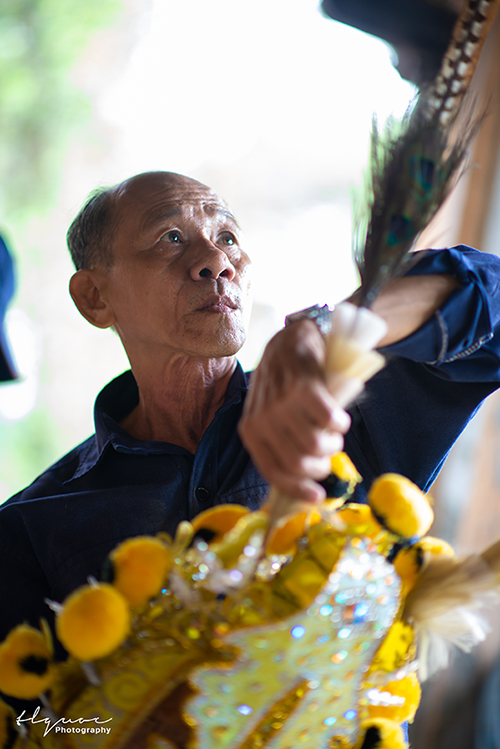
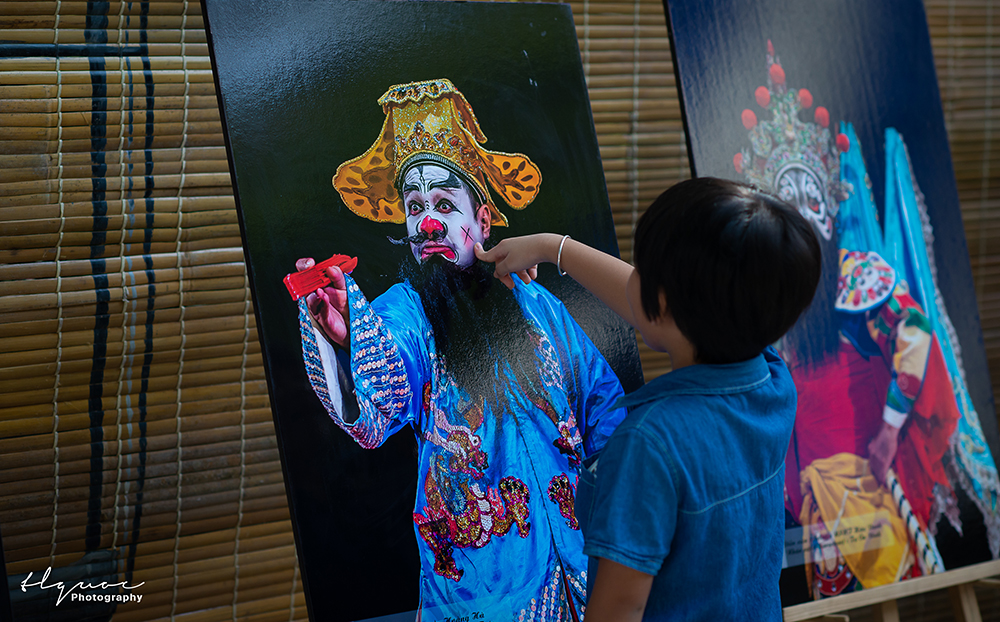
“Cheo” stage art is a cultural gem, considered one of the great treasures in Vietnamese folklore. Efforts to preserve and promote “Cheo” are crucial to ensuring that future generations continue to appreciate the rich heritage it embodies. Government initiatives, cultural institutions, and dedicated artists work together to safeguard and celebrate the essence of “Cheo.”
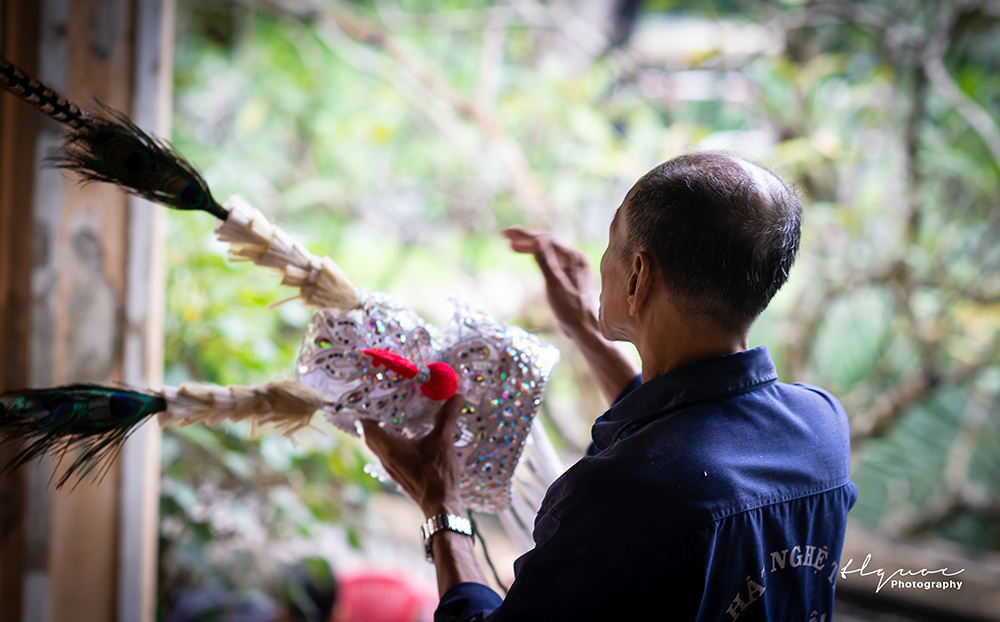

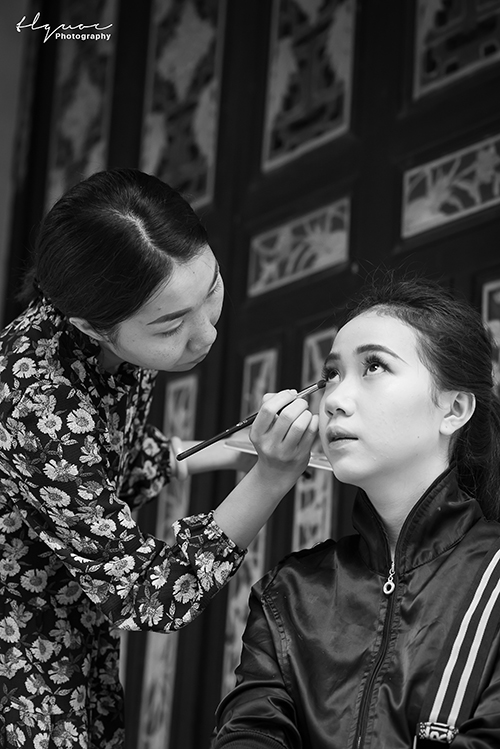
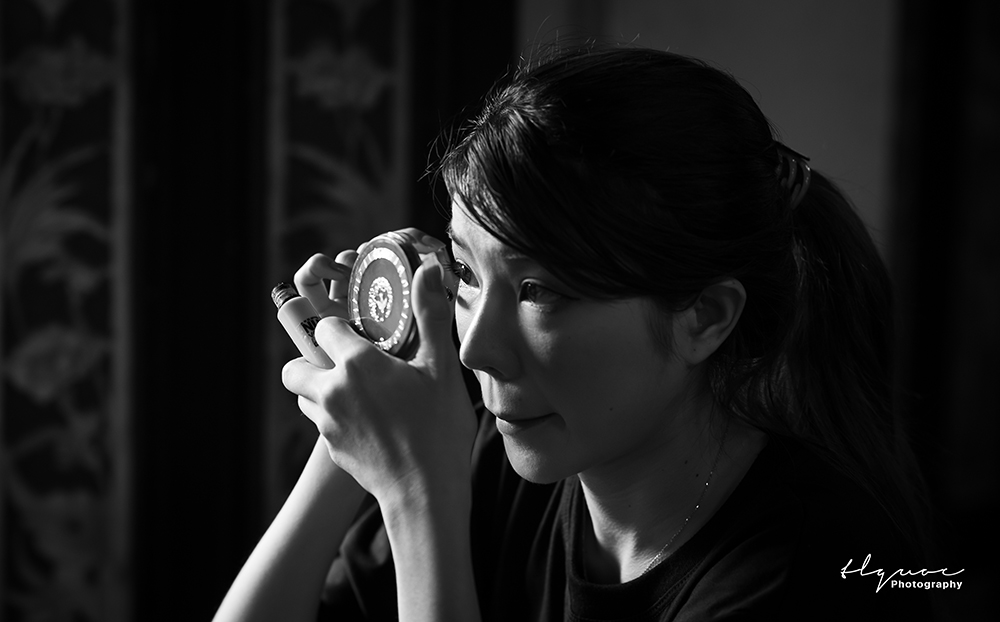
“Cheo” stage art is a cultural gem, considered one of the great treasures in Vietnamese folklore. Efforts to preserve and promote “Cheo” are crucial to ensuring that future generations continue to appreciate the rich heritage it embodies. Government initiatives, cultural institutions, and dedicated artists work together to safeguard and celebrate the essence of “Cheo.”

 Glimpse of Vietnam
Appreciate this blog post