
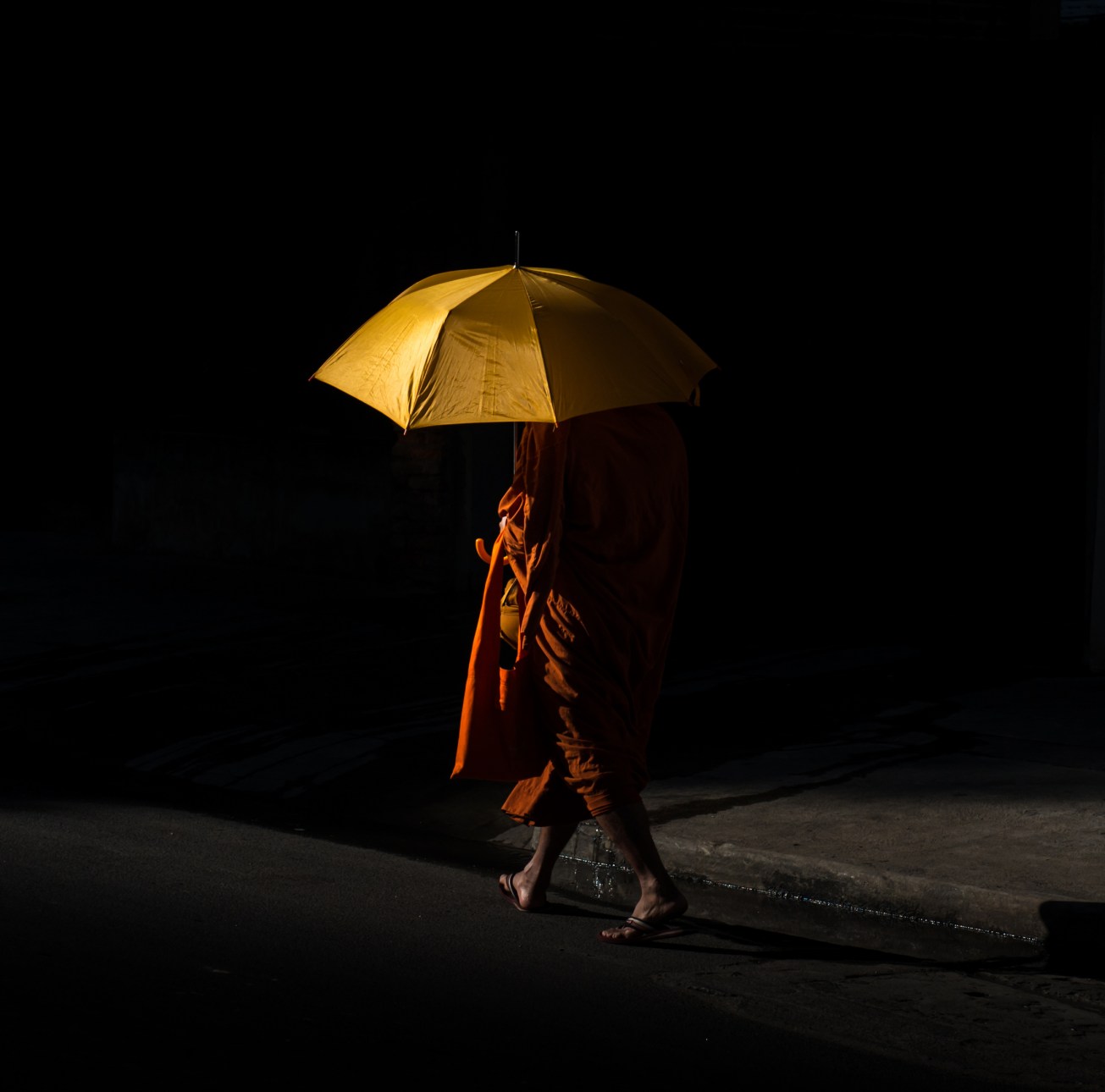
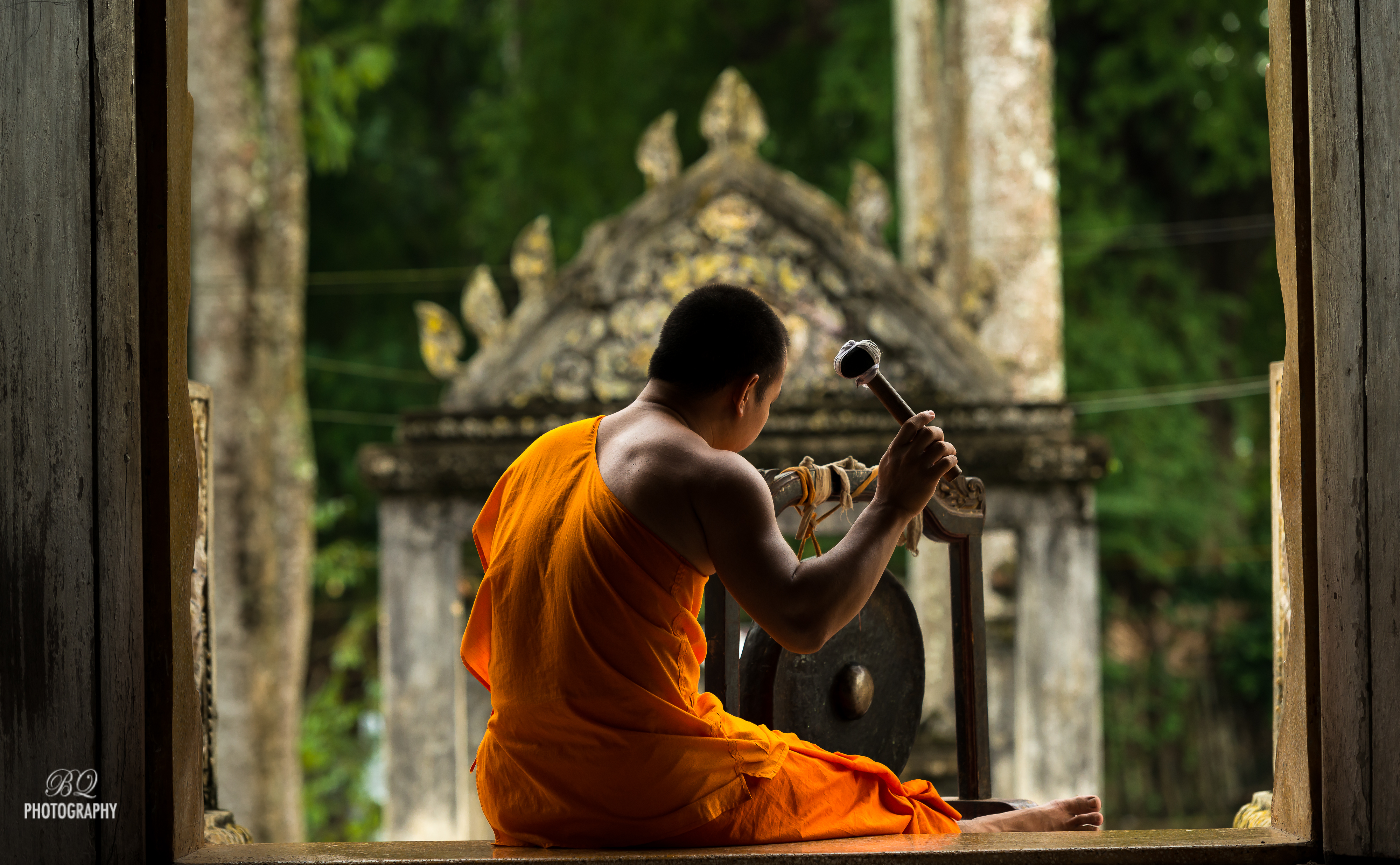
In the world of photography, where every click aims to freeze a moment in time, capturing the spiritual grace of Buddhist monks adds a profound dimension to visual storytelling. Through the lens, these serene figures evoke a sense of tranquility, mindfulness, and a timeless connection with the spiritual realm.
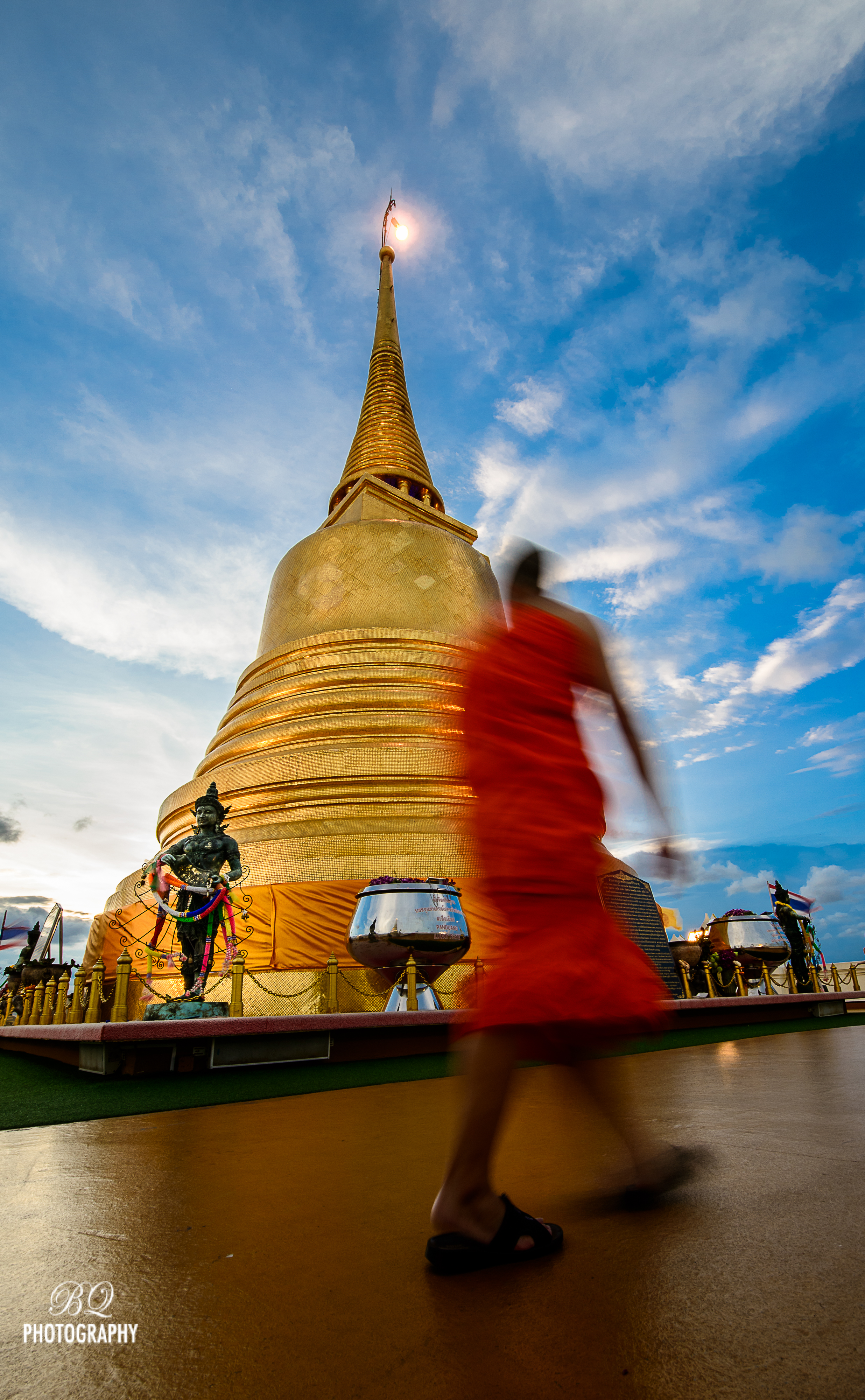
Buddhist monks, with their distinctive saffron or maroon robes, shaven heads, and peaceful countenances, make compelling subjects for photographers seeking to convey the essence of mindfulness and contemplation. The visual language used to represent these monks often transcends cultural boundaries, offering viewers a glimpse into a way of life centered around simplicity, humility, and a pursuit of inner peace.
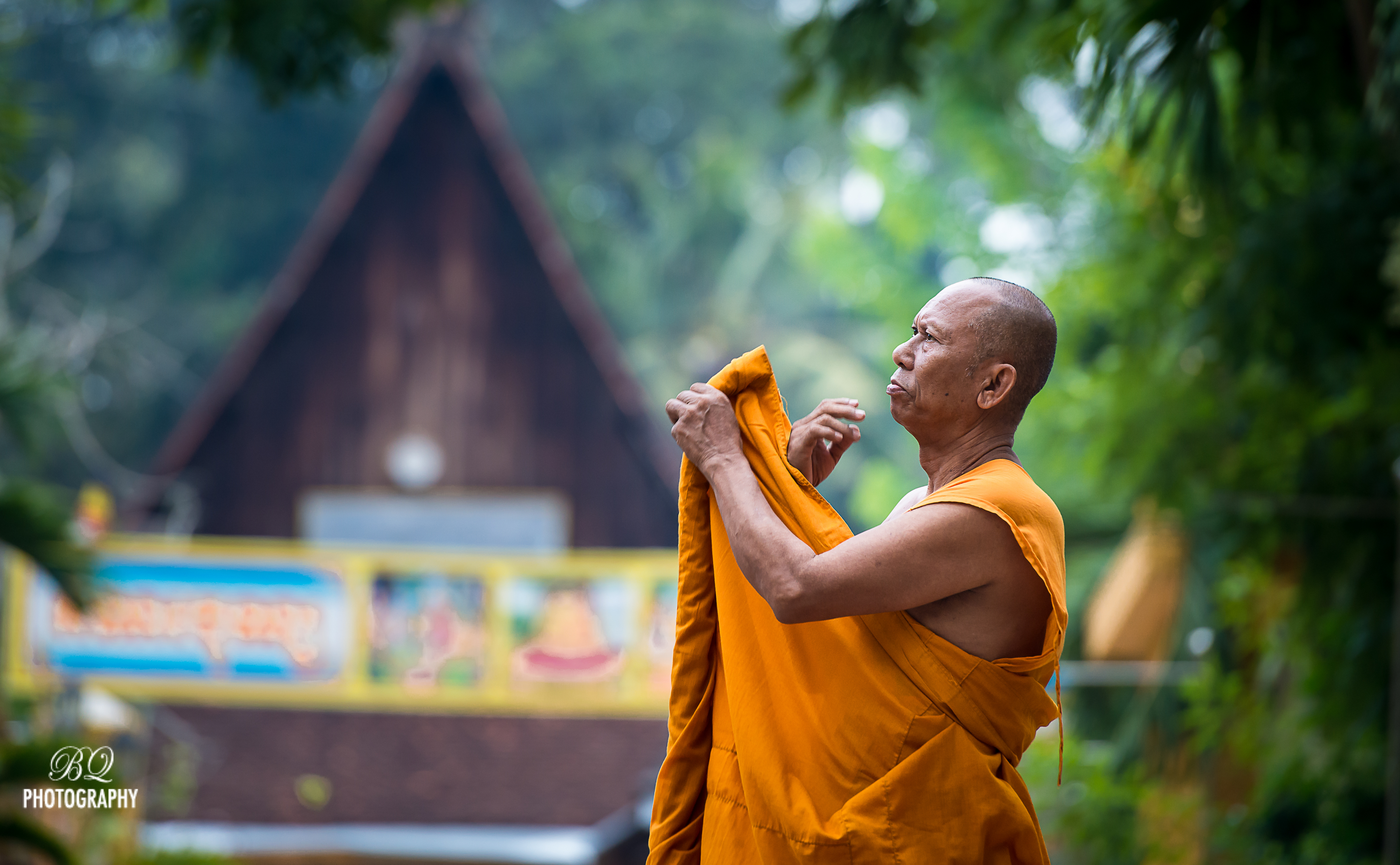
One of the most captivating aspects of photographing Buddhist monks lies in the subtleties of their daily rituals. From morning alms rounds to meditation sessions, each moment is an opportunity to capture the beauty of simplicity and the profound depth of their spiritual practice. The quiet devotion and unwavering focus displayed during these activities create striking images that resonate with viewers on a visceral level.
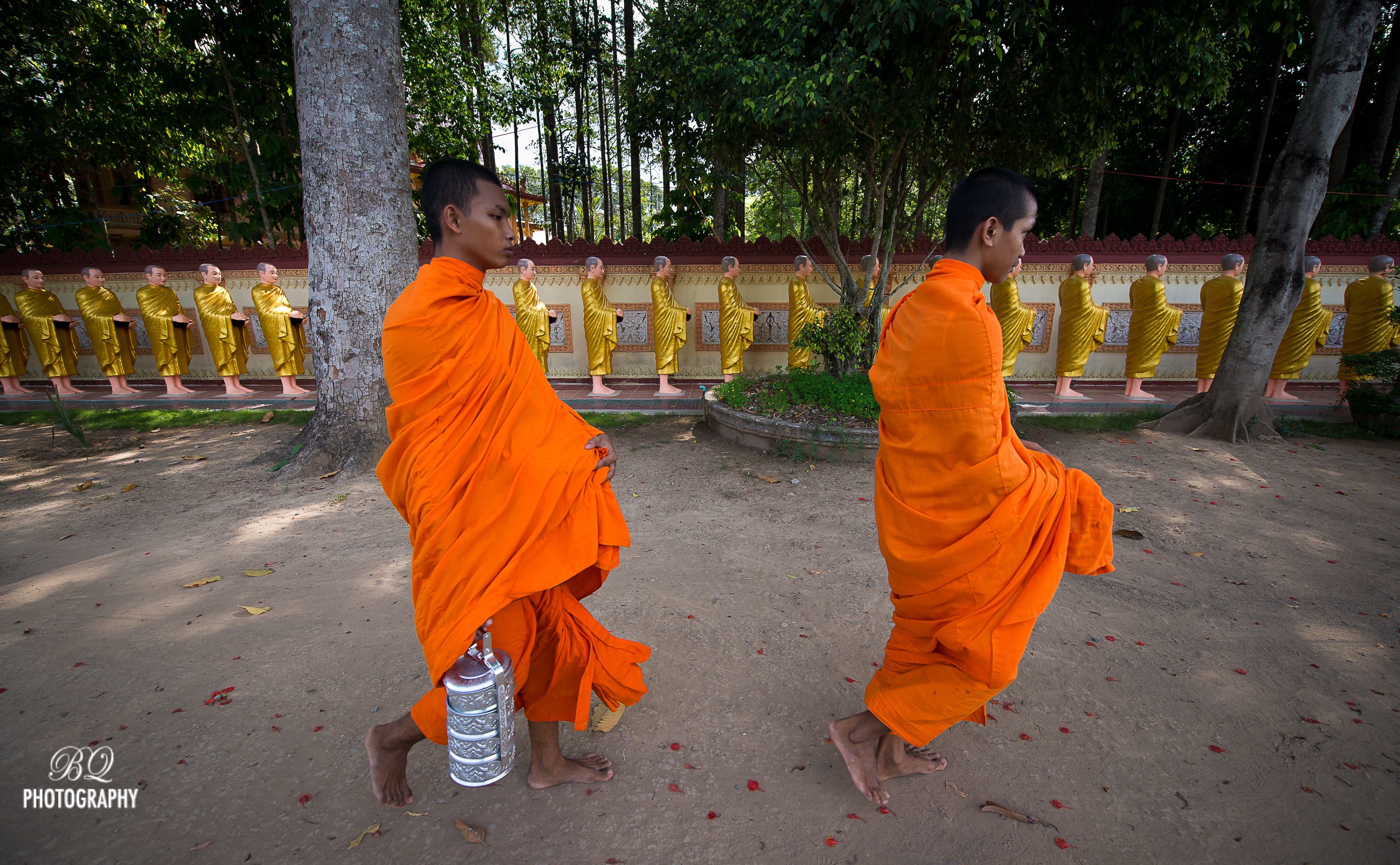
Monasteries and temples serve as poignant backdrops for these photographic narratives. The play of light and shadow within the sacred spaces, combined with the monks’ contemplative postures, creates a visual symphony that transcends the limitations of language. Photographers often find inspiration in the architectural details, sacred art, and the meditative ambiance of these places, enhancing the storytelling power of their images.
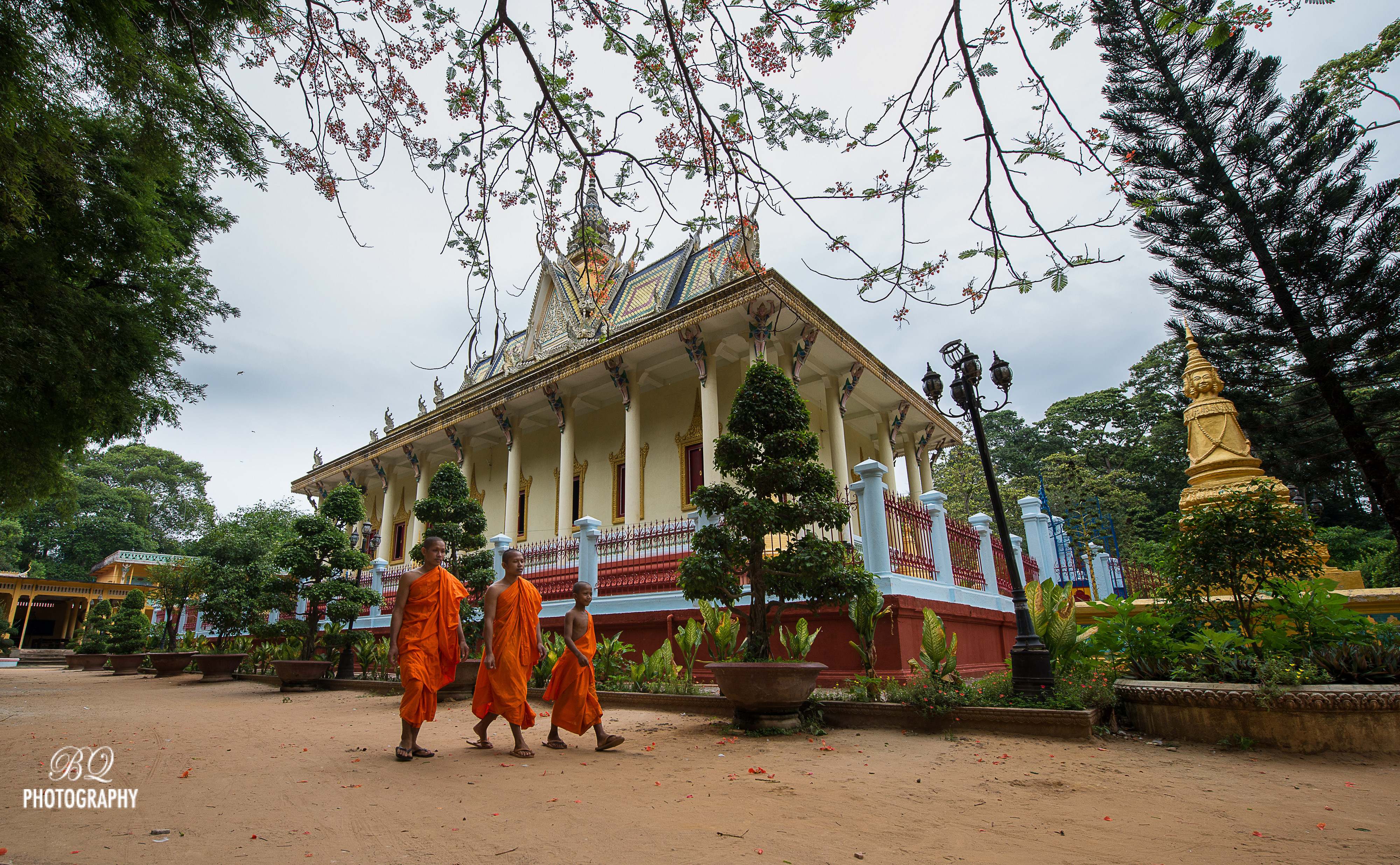
In the age of rapid technological advancement, where the world is often perceived through the lens of screens and devices, photographs of Buddhist monks serve as a reminder to slow down, breathe, and appreciate the beauty of the present moment. They encourage viewers to reflect on the universal human experience and the quest for a deeper understanding of the self and the world.
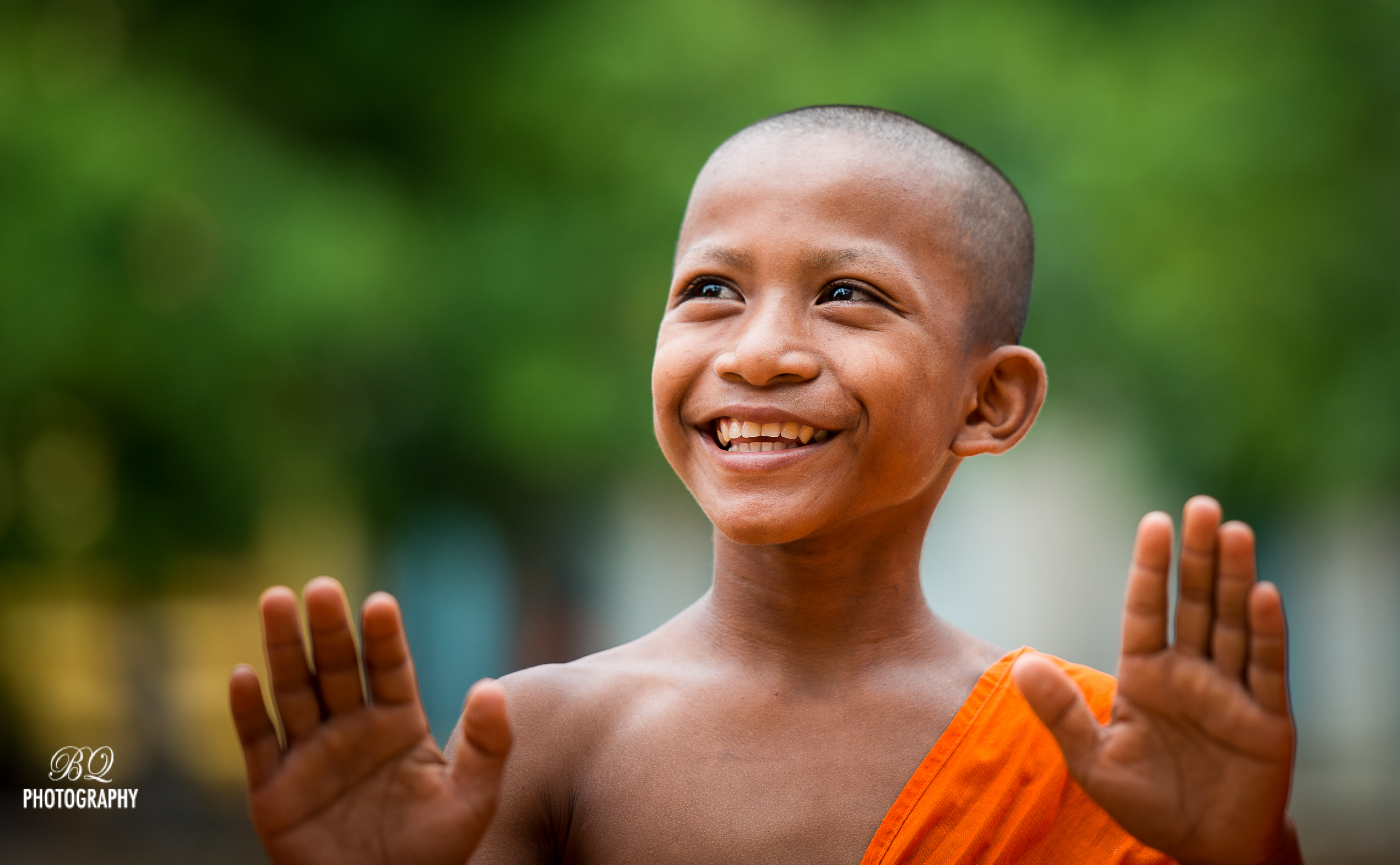
The art of capturing Buddhist monks in photography goes beyond a mere visual representation. It encapsulates a spiritual journey, a quest for inner peace, and a celebration of the timeless wisdom embedded in the practices of these serene figures
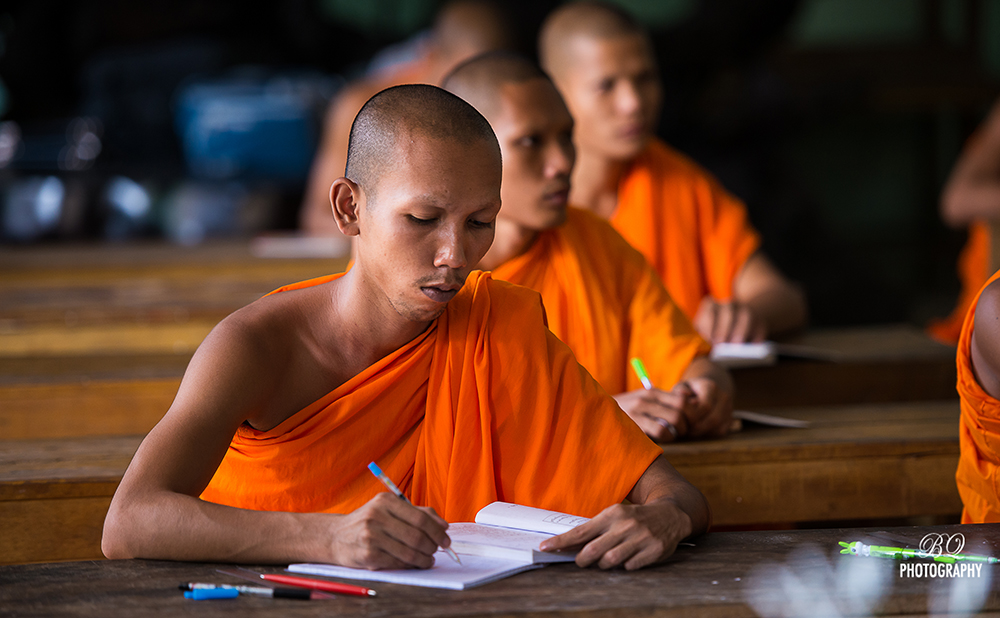
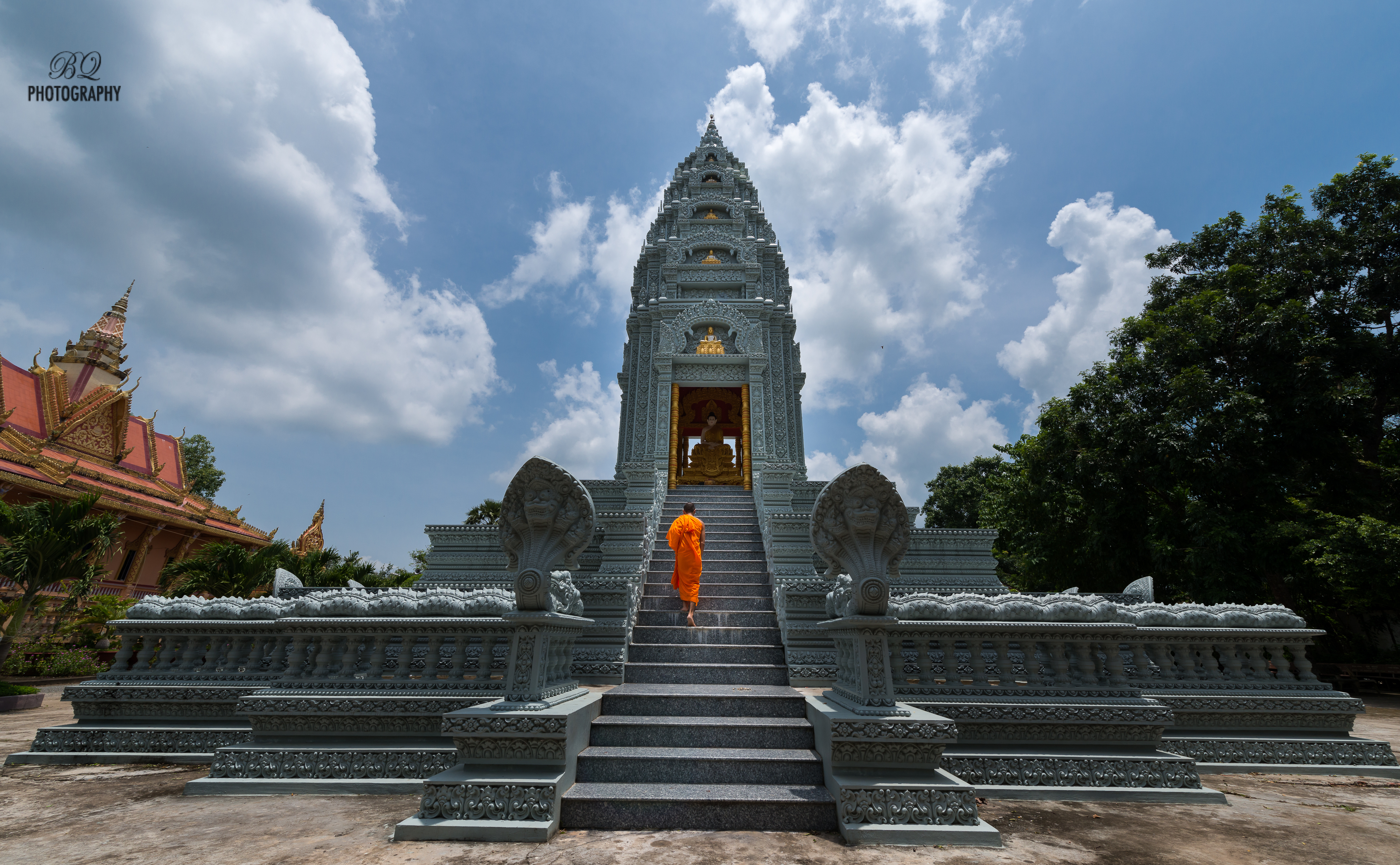
 Glimpse of Vietnam